Flag USA: A Designer’s Review for Real Projects
As an embroidery professional who has stitched out countless patriotic motifs, I approach every new machine embroidery design with a critical eye. It is not enough for a graphic to look good on a screen; it must translate into thread, tension, and texture. When evaluating the Flag USA design for my upcoming Independence Day production run, I looked past the digital preview to assess how this file would actually perform on physical goods. My goal was to determine if this specific embroidery file could withstand the rigors of commercial production while maintaining the charm required for high-end personalized gifts.
First Impressions and Visual Personality
Upon loading Flag USA into my digitizing software, the first thing I assessed was the visual balance. Patriotic designs can easily become cluttered or overly dense, but this layout feels intentional. The mood strikes a necessary balance between traditional reverence and modern creativity. It does not feel like a stiff government seal, nor does it lean too far into cartoonish novelty. This versatility is crucial for my business because I need a single design that works across multiple demographics.
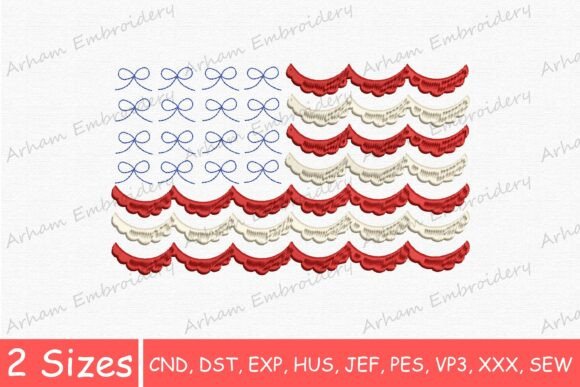
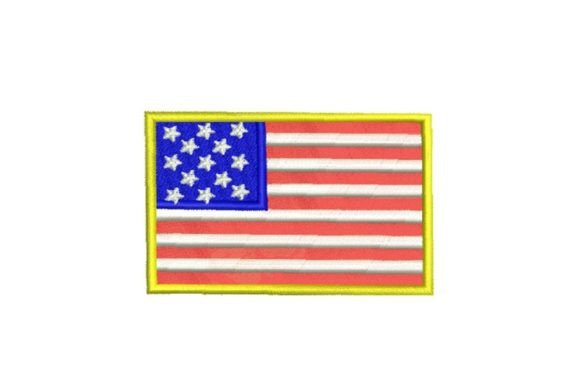
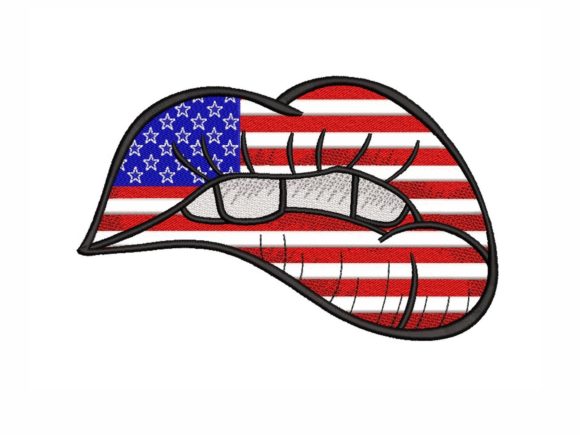
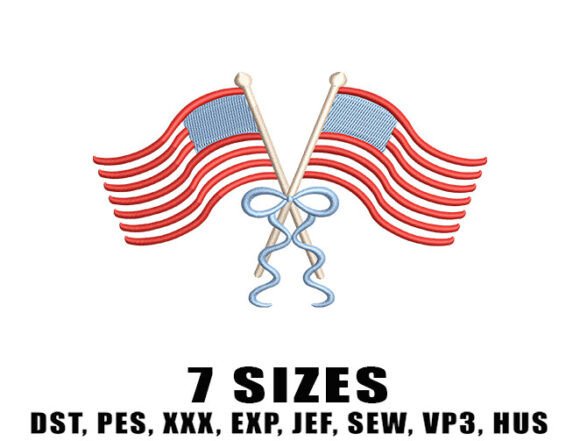
The shape and detail level suggest that the digitizer considered real-world application. The stars and stripes appear distinct without being separated by excessive gaps that could cause registration issues. For an Etsy seller or small shop product creator, this visual clarity is vital. Customers judge quality from thumbnail images in listings, and Flag USA possesses the bold contrast needed to stand out in a crowded marketplace. It brings a lively personality that elevates standard merchandise beyond generic holiday decor.
Real-World Application: The Tote Bag Test
To truly evaluate this design, I moved beyond theory and prepared a custom embroidered tote bag as a test case. Canvas totes are a staple for summer markets and Fourth of July events, making them the perfect proving ground. I wanted to see if Flag USA could serve as a centerpiece for a handmade product intended for daily use rather than just display.
During the stitch-out, I paid close attention to how the design interacted with the canvas fabric texture. The design performed admirably. The transition between different stitch types was smooth, preventing the puckering that often plagues patriotic motifs on unstructured bags. As a tote bag design, it offers excellent coverage without feeling like a heavy patch of armor. This is a significant selling point for customers who want festive gear that remains functional and soft.
I also considered how this would translate to other items in my shop. The proportions make it a strong candidate for sweatshirt embroidery on the left chest or center front. Unlike overly complex crests, Flag USA has enough negative space to breathe on knit fabrics. For those focusing on baby embroidery or nursery decor, the design’s clean lines mean it avoids the scratchy density that makes some patriotic apparel unwearable for infants. It respects the end-user's comfort, which directly impacts customer satisfaction and repeat business.
Navigating Fabric Challenges and Technical Limits
While Flag USA is versatile, no digital embroidery file is immune to physics. Through testing, I identified specific scenarios where extra caution is required. If you plan to use this on stretchy performance wear or thin jersey knits, the stitch density becomes a primary concern. Patriotic fills can be heavy. On lightweight t-shirts, you must use adequate stabilizer—likely a combination of cut-away and tear-away—to prevent distortion. Without proper support, the flag may pull the fabric down, creating a sagging appearance that devalues the finished item.
Textured fabrics like terry cloth towels present another challenge. While the description mentions towels as a great use case, I advise using a water-soluble topping when stitching Flag USA on these surfaces. The intricate details of the stars can get lost in the pile without it. Similarly, if you are adapting this for curved surfaces like caps, verify the hoop size and design dimensions first. Caps require specialized cap frames and often necessitate resizing. Always check if the original digitizing supports resizing without compromising the integrity of the satin stitch borders or fill stitch patterns.
Dark fabrics also demand scrutiny. Before committing to a black navy sweatshirt, run a test to ensure the white and red threads have sufficient opacity. Sometimes, underlying fabric color can bleed through lighter thread areas if the underlay isn't robust. A quick test stitch saves wasted blanks and protects your reputation as a quality apparel decorator.
Commercial Value and Brand Consistency
For creative entrepreneurs, the value of an embroidery asset lies in its ROI. Flag USA succeeds because it bridges the gap between niche holiday merchandising and evergreen Americana. It enhances brand consistency by offering a professional aesthetic that pairs well with various fonts and secondary graphics. Whether you are creating holiday embroidery for a seasonal pop-up or adding a patriotic touch to year-round custom apparel, this design maintains a cohesive look.
Customer trust is built on execution. When a buyer receives a finished product featuring Flag USA, they should see crisp edges and vibrant color, not thread breaks or misalignment. This design’s structure supports that level of professionalism. For those selling printable mockups or digital previews, the design’s clear geometry renders beautifully on screen, helping drive sales before a single needle penetrates fabric. However, always confirm licensing terms before selling digital assets or mass-producing items to ensure your craft business remains compliant.
Essential Notes for Makers and Sellers
Before adding Flag USA to your production queue, adhere to these practical guidelines derived from hands-on review:
- Always Test First: Never stitch a new design directly onto a sellable item. Use scrap fabric that matches your final project’s weight and weave to check tension and stabilization needs.
- Verify Specifications: Confirm the exact stitch count, hoop requirements, and included file formats. Do not assume compatibility with your specific machine or software version.
- Check Thread Contrast: Review your thread colors against the fabric choice. Standard red, white, and blue vary wildly between brands; select shades that offer enough contrast to define the flag’s elements clearly.
- Inspect Small Details: If resizing down for baby clothes or patches, zoom in to inspect corner points and tiny lettering. Some details may need manual editing to stitch out cleanly at smaller scales.
- Evaluate Washability: If producing tea towels or baby items, wash your test sample. Ensure the design holds up to laundering without excessive fraying or shrinkage relative to the base fabric.
- Mockup Accuracy: When creating listings, use realistic textures in your printable mockup. Showing the design on a textured towel or knit sweater helps manage customer expectations regarding the final tactile result.
Flag USA represents a solid addition to any embroiderer’s library, provided it is treated with technical respect. It offers the creative spark needed for Independence Day projects while possessing the structural integrity required for professional results. By understanding its behavior on different substrates and preparing accordingly, you can transform this digital file into tangible products that resonate with buyers and celebrate craftsmanship. Whether you are an established boutique owner or a hobbyist making gifts, this design serves as a reliable foundation for patriotic expression.