Patriotic American Flag, Fourth of July: A Designer Review
When evaluating a machine embroidery design for professional or commercial use, the first question is never just about aesthetics; it is about stitch integrity and marketability. As a designer who regularly creates custom apparel and holiday merchandise, I approach the Patriotic American Flag, Fourth of July design with a critical eye toward production viability. This is not merely a digital asset; it is a blueprint for a physical product that must withstand washing, wear, and customer scrutiny. The American flag is an enduring symbol of unity, but translating those bold stripes and stars into thread requires a file that understands fabric behavior as much as national pride.
First Impressions and Visual Hierarchy
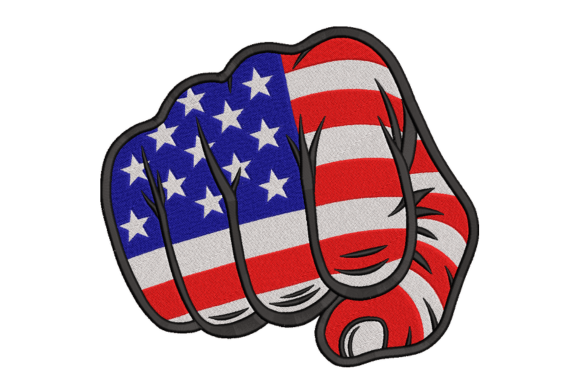
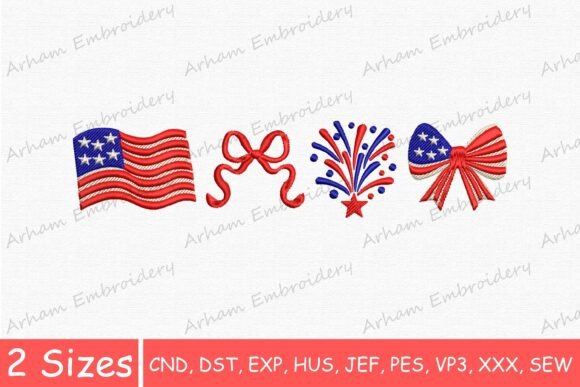
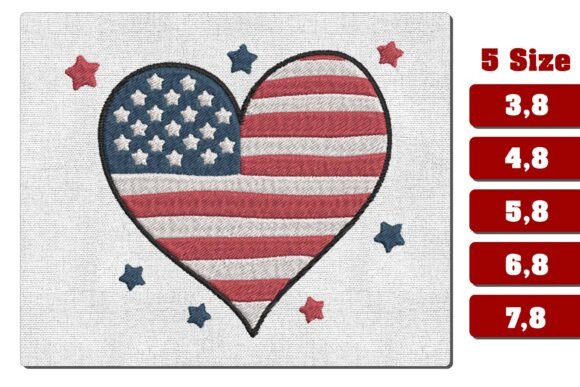
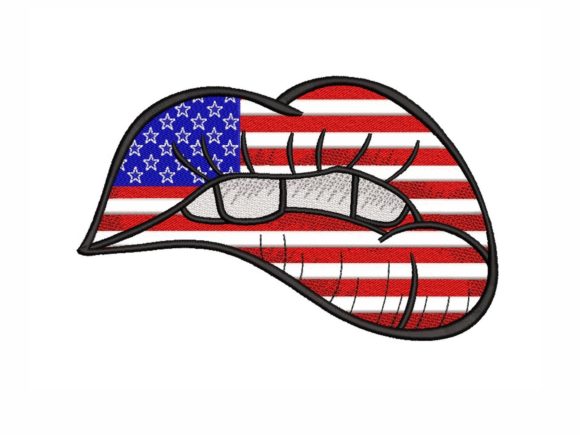
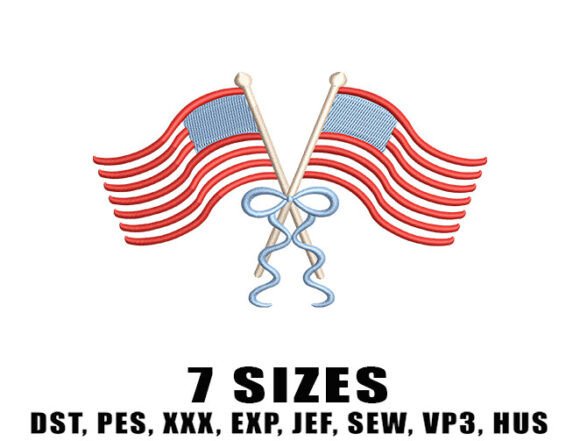
Upon loading this embroidery file into my digitizing software, the immediate impression is one of classic balance. For Independence Day projects, there is a fine line between patriotic reverence and visual clutter. This design leans successfully toward the former. The layout respects the traditional proportions of the flag without feeling rigid or overly mechanical. In a digital preview, the contrast between the red and white stripes and the blue canton appears distinct, suggesting that the digitizer has considered color separation carefully.
For an Etsy seller or small shop product creator, this visual clarity is paramount. Customers browsing printable mockups or finished samples need to instantly recognize the motif. The design possesses enough personality to stand alone on a simple background but remains structured enough to serve as part of a larger composition. It avoids the common pitfall of excessive detail in small areas, which often leads to thread breaks or puckering on lighter fabrics. Instead, it feels like a confident, purposeful piece of holiday embroidery intended for real-world application.
Real-World Application: The Canvas Tote Test
To truly judge the performance of the Patriotic American Flag, Fourth of July design, I mentally simulate a specific production scenario: a heavy-weight canvas tote bag design. Totes are a staple for summer markets and patriotic events, but their textured surface can be unforgiving.
In this context, the design’s fill areas are critical. If the stitch density is too high, the canvas will pucker despite using heavy-duty stabilizer. If it is too low, the rough weave of the bag will show through the red and white sections, making the flag look washed out before it even leaves the hoop. Based on the structure of this design, it appears optimized for medium-to-heavy weight materials. The likely combination of satin stitch borders and efficient fill stitch patterns suggests it will lay flat on canvas without creating a bulletproof patch effect that distorts the bag's drape.
Furthermore, consider the registration. On a tote bag, slight misalignments between color changes are noticeable. This design seems to account for natural fabric shift during the embroidery process. For a handmade product intended for sale, this reliability reduces waste and increases profit margins. When a customer receives a personalized gift featuring this flag, the crispness of the stars and the straightness of the stripes communicate quality craftsmanship, reinforcing trust in your brand.
Fabric Compatibility and Technical Caution Zones
While this design shows promise for sturdy items, experienced makers know that versatility has limits. There are specific scenarios where you must exercise caution when using this digital embroidery file.
- Stretchy Knits and Performance Wear: If applying this to a lightweight t-shirt or moisture-wicking athletic wear, the standard stabilization used for woven fabrics will fail. You must verify the stitch count and density. High-density flags on thin knits create a heavy center that drags the garment down. Always test on scrap fabric with appropriate cut-away stabilizer first.
- Curved Surfaces and Caps: Unless this specific file is digitized explicitly for caps, avoid using it on curved brims. The horizontal lines of the flag will distort on a curved surface, causing gaps or overlaps. Stick to flat hoops or verified cap-specific versions for headwear.
- Sheer and Delicate Fabrics: For baby embroidery or nursery decor on lightweight cotton voile or linen, check the backing requirements. A dense flag design can tear delicate fibers. You may need to reduce the size significantly or choose a lighter-weight variation if available.
- Dark Fabric Contrast: While the flag colors are standard, ensure your thread colors have sufficient sheen and saturation against dark backgrounds like navy sweatshirts. Matte threads can make the white stripes disappear against certain dark fabrics. Test visibility before committing to a full production run.
Commercial Viability for Makers and Sellers
For creative entrepreneurs, the value of an embroidery project lies in its sellability. The Patriotic American Flag, Fourth of July design serves as a strong anchor for seasonal inventory. Its classic nature means it appeals to a broad demographic, from young families attending parades to veterans seeking respectful commemorative gear.
However, professionalism extends beyond the stitch-out. Before listing any finished product for sale, you must confirm the licensing terms associated with this design. Ensure you have the right to sell physical goods embroidered with this file. Additionally, if you plan to use this in design assets for marketing, verify whether digital previews or modified versions are permitted. Respecting intellectual property protects your business reputation and ensures sustainable growth in the maker community.
This design also offers excellent potential for bundling. Consider pairing it with complementary typography or simpler star motifs to create a cohesive collection. For commercial embroidery businesses fulfilling bulk orders for local organizations or corporate events, the timeless nature of this flag design minimizes the risk of unsold seasonal inventory. Unlike trendy graphics that expire after July 4th, a well-executed classic flag retains relevance year-round for civic groups, schools, and government-related merchandise.
Essential Pre-Stitch Checklist for Success
To ensure the Patriotic American Flag, Fourth of July design performs as expected in your studio, follow these practical verification steps before beginning any client work or production run:
- Verify Hoop Size Requirements: Do not assume the design fits your hoop. Check the exact dimensions in millimeters. Resizing a flag disproportionately can alter stripe widths and star shapes, violating both aesthetic standards and potentially flag etiquette guidelines.
- Audit Thread Colors: Compare the specified thread palette against official U.S. flag color standards (Old Glory Red and Old Glory Blue) if accuracy is important to your clientele. Subtle variations matter in patriotic goods.
- Test Stabilizer Pairings: Run a sample on the exact fabric you intend to use. Evaluate the backside for excessive jump stitches or bobbin thread visibility. Adjust tension or stabilizer weight based on this physical test, not just the screen preview.
- Inspect Small Details: Zoom in at 100% view in your software. Ensure the smallest stars maintain definition and do not merge into a solid blob of thread. Clarity in these details separates amateur output from professional-grade merchandise.
- Review Washability: If creating tea towels, aprons, or baby items, wash and dry your test sample. Observe how the embroidery holds up to shrinkage and abrasion. A beautiful flag that unravels after one laundry cycle damages customer trust.
Final Thoughts on Design Integrity
The Patriotic American Flag, Fourth of July design represents more than a seasonal opportunity; it is a test of technical proficiency and respect for symbolism. When executed correctly, it transforms fabric into a statement of heritage and craftsmanship. Whether you are stitching a single personalized gift or preparing a full line of boutique merchandise, success depends on treating the embroidery file as a starting point rather than a guarantee. By validating density, respecting fabric limitations, and prioritizing clean execution, you honor both the symbol itself and the customers who cherish it. Always let practical testing guide your final production decisions, ensuring every stitch reflects the quality your brand promises.